Author: Contec Cleanroom
Tags:Life Sciences, Microelectronics, Biotechnology, Medical Devices, Pharmaceutical, Training, Article

What Are Proper Wiping Techniques for Contamination Control in Cleanrooms?
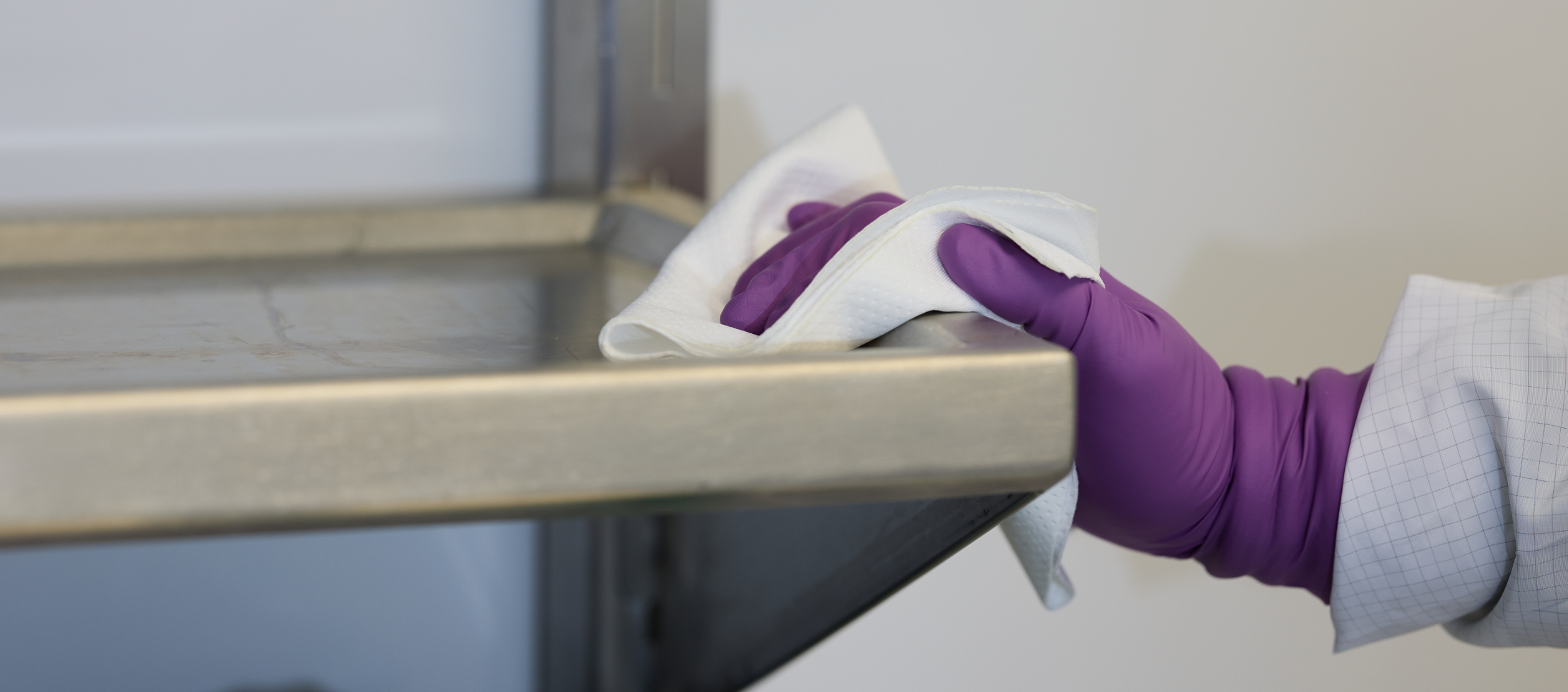
Learn the essential principles of proper wiping techniques for cleanrooms, including motion patterns, saturation, and process standardization.

Proper wiping techniques are essential for effective contamination control in cleanroom environments. Correct motions, saturation levels, wipe materials, and wiping patterns help remove particles and residues without redistributing contaminants — thereby protecting product quality and supporting environmental control strategies. 


Why Are Proper Wiping Techniques Important?


Wiping is a common method of cleaning and disinfection in controlled environments, but without correct technique, it can spread contamination rather than remove it. Proper techniques help ensure particles and residues are picked up and removed from the surface instead of being smeared or redeposited. Consistent technique also supports reproducible results across operators and shifts.

What Is the Proper Way to Quarter-Fold a Wipe?

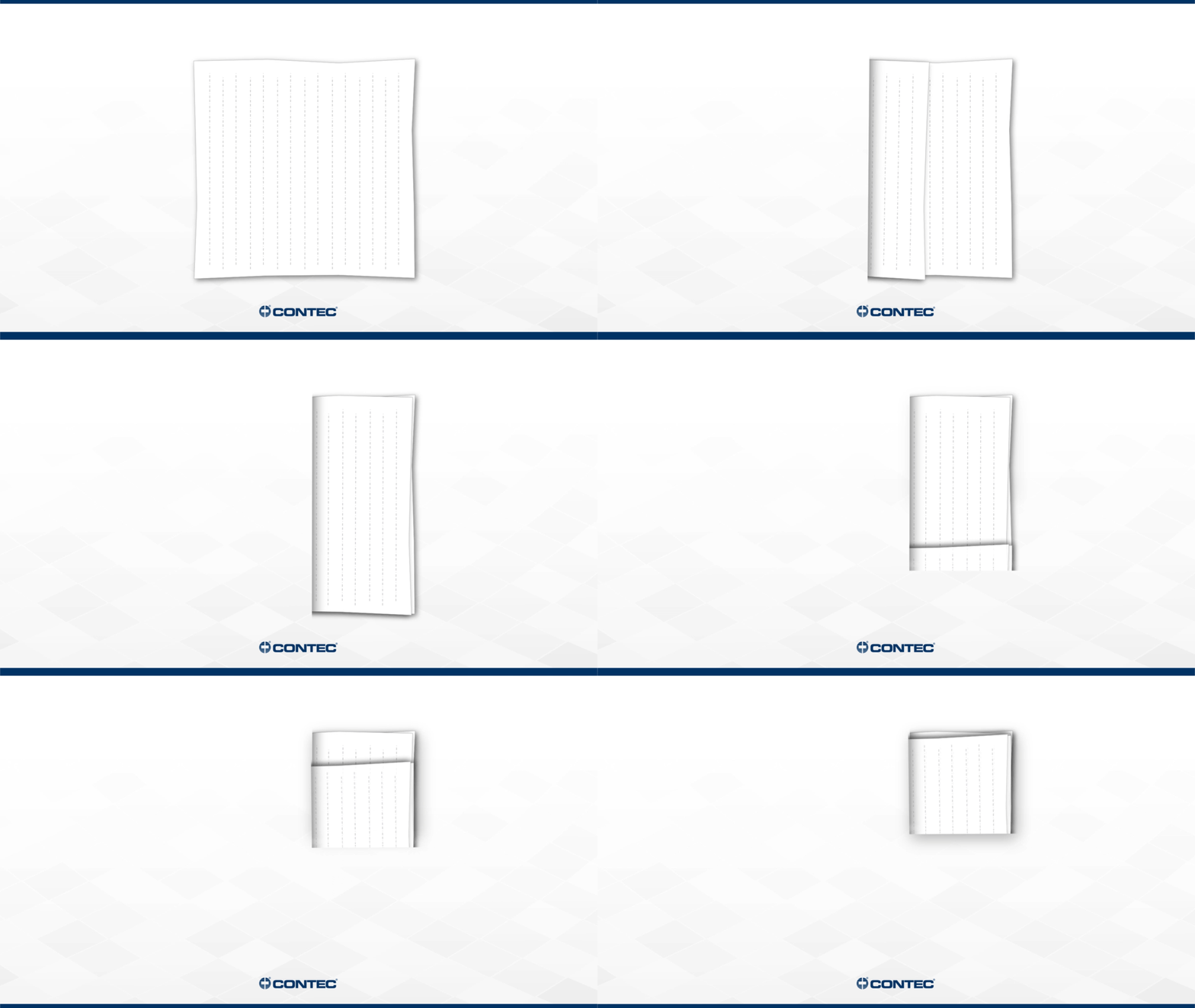
The proper way to quarter-fold a wipe is to remove the wipe from its package, and unfold the wipe completely if necessary so the wipe is fully open and flat. Fold the wipe in half, and then in half again, so it is one-quarter its original size.


When preparing to wipe a surface with a quarter-folded wipe, the wipe should be held with the open (unfolded) edges away from the surface being cleaned. Only the folded edges and the face of the wipe should touch the surface, as folded edges are less likely to have loose particles or fibers, and the face of the wipe captures maximum contaminants.
What Is the Correct Motion and Direction for Wiping?

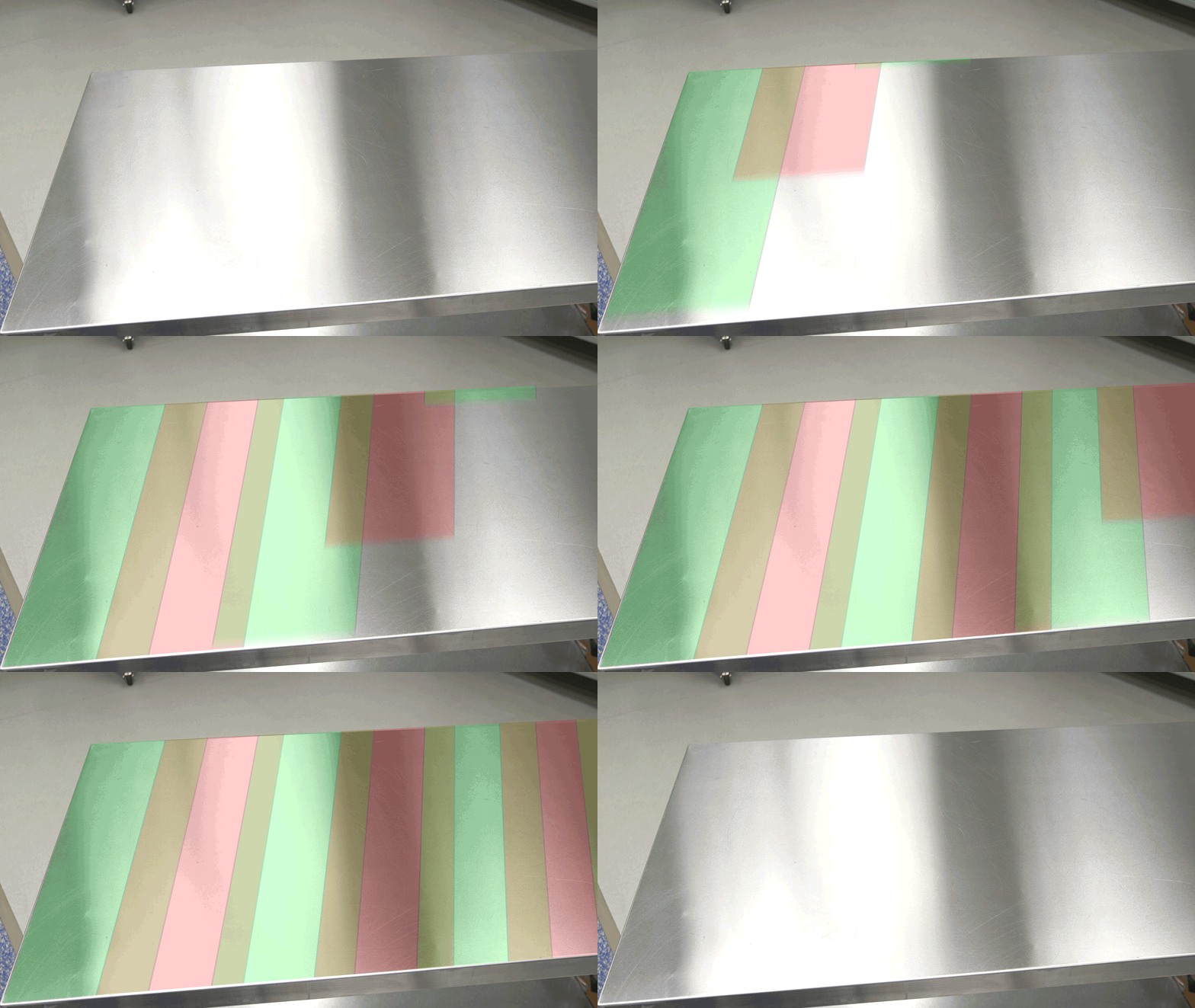
 The direction and motion of wiping should be intentional to avoid redepositing contamination. Generally, wipes should be moved from clean areas toward dirtier areas, applying consistent pressure and using unidirectional or overlapping strokes rather than random back-and-forth motion.


Patterns like “S-shaped” passes help ensure full coverage without reintroducing particles onto cleaned areas. 
How Does Wipe Saturation Affect Cleaning?


Wipe saturation — how wet the wipe is — affects soil pickup and residue removal. If a wipe is too dry, it may not pick up contamination effectively; if too wet, it may leave excess liquid that can spread contaminants or damage surfaces.


Selecting the correct level of saturation (often achieved using presaturated wipes or controlled manual saturation) helps balance soil pick-up without creating excess liquid residue.


What Role Do Wipe Material and Surface Compatibility Play?


Wipe material influences how well particles, residues, and liquids are absorbed and retained. Materials with low particle and fiber shedding are preferred to prevent adding contaminants during wiping.


Surface compatibility is also critical — the wipe and solution used must not damage or degrade the surface, which could compromise cleanliness and introduce particulates.


How Should Wipes Be Used to Prevent Cross-Contamination?


Techniques that reduce cross-contamination include:


  • Using a fresh wipe when the current one becomes soiled
  • Avoiding reuse of wipe surfaces on multiple areas
  • Wiping from least contaminated toward most contaminated zones
  • Disposing of wipes promptly according to controlled waste procedures


These practices help contain contamination and prevent redistribution onto clean surfaces.


What Practices Support Repeatability and Process Control?


To ensure wiping is consistent and effective:


  • Define and document wiping patterns and motions
  • Train operators in standard methods and pressure application
  • Standardize wipe materials and saturation methods (e.g., presaturated wipes)
  • Validate and periodically monitor wiping outcomes through environmental monitoring


These practices enhance reliability and help maintain contamination control across different operators and shifts.


Conclusion


Proper wiping techniques — including intentional motion patterns, correct saturation, suitable wipe material, and contamination control practices — are fundamental to effective cleaning and disinfection in cleanrooms. Consistent implementation of these techniques minimizes contamination and supports product quality.

Key Takeaways

  • Proper motion and direction prevent redepositing contaminants.
  • Correct wipe saturation balances soil pickup and residue control.
  • Low-shedding materials and surface compatibility support cleanliness.
  • Preventing cross-contamination requires fresh wipes and structured patterns.
  • Standardized techniques and training ensure repeatable results.